

2020+
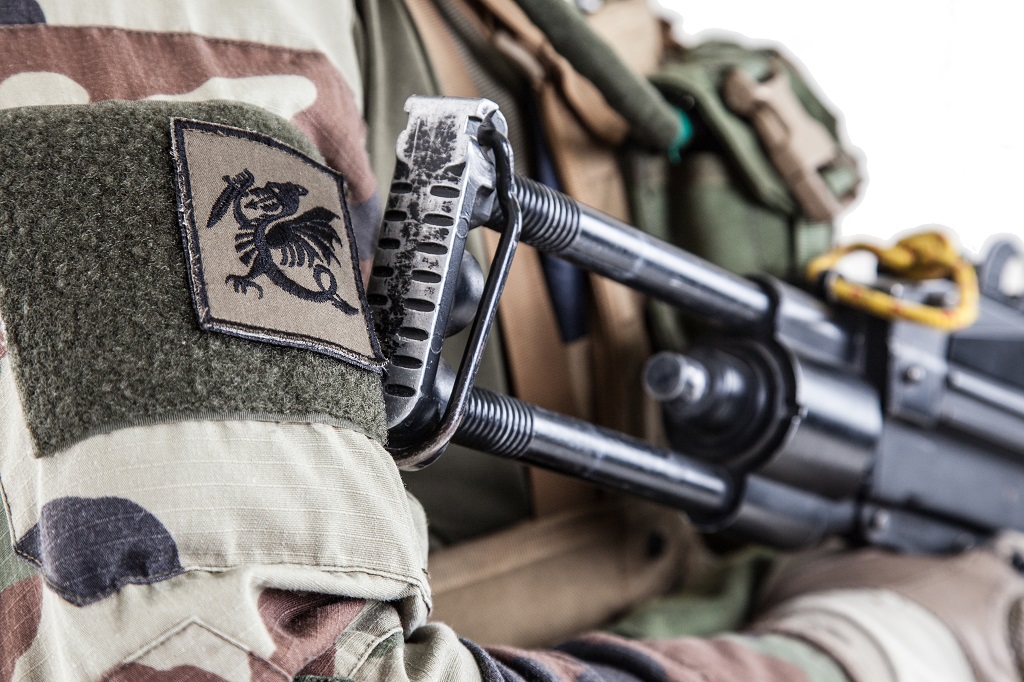
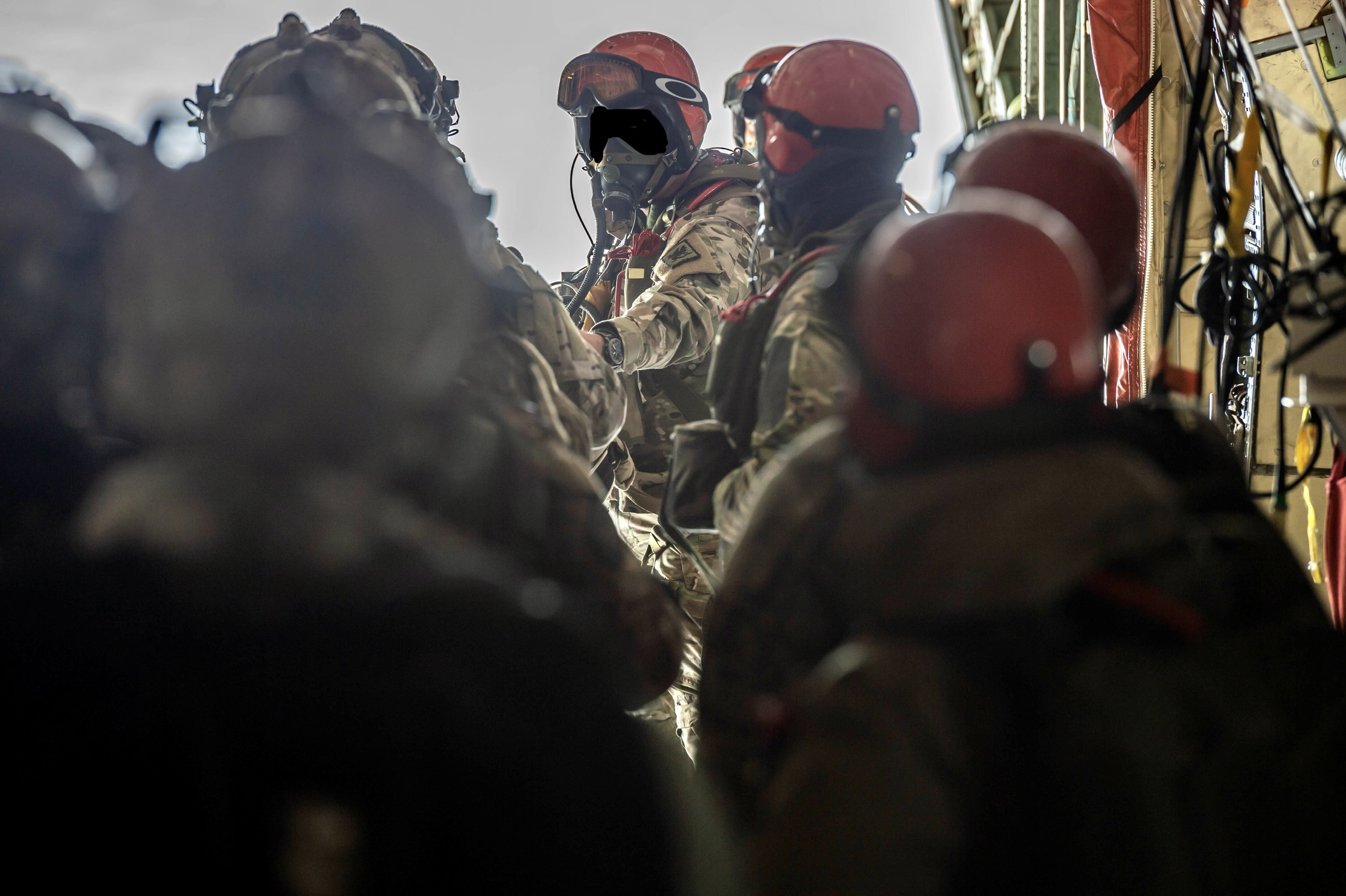
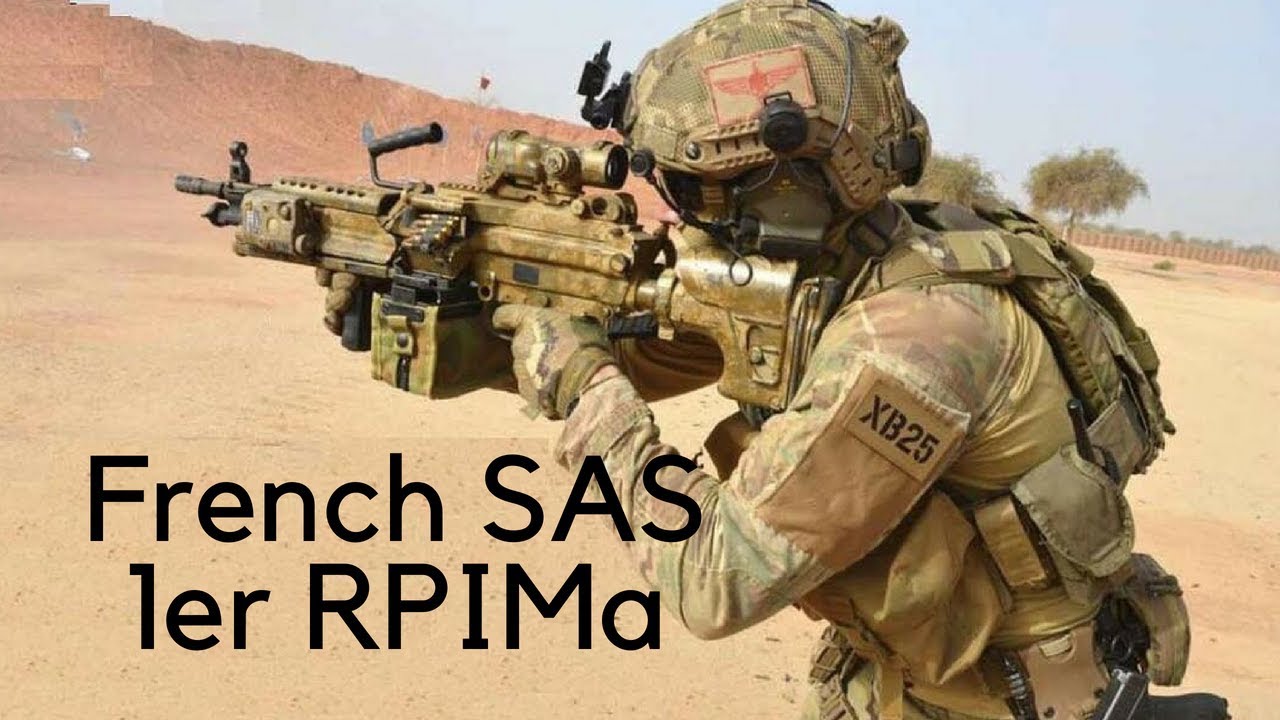
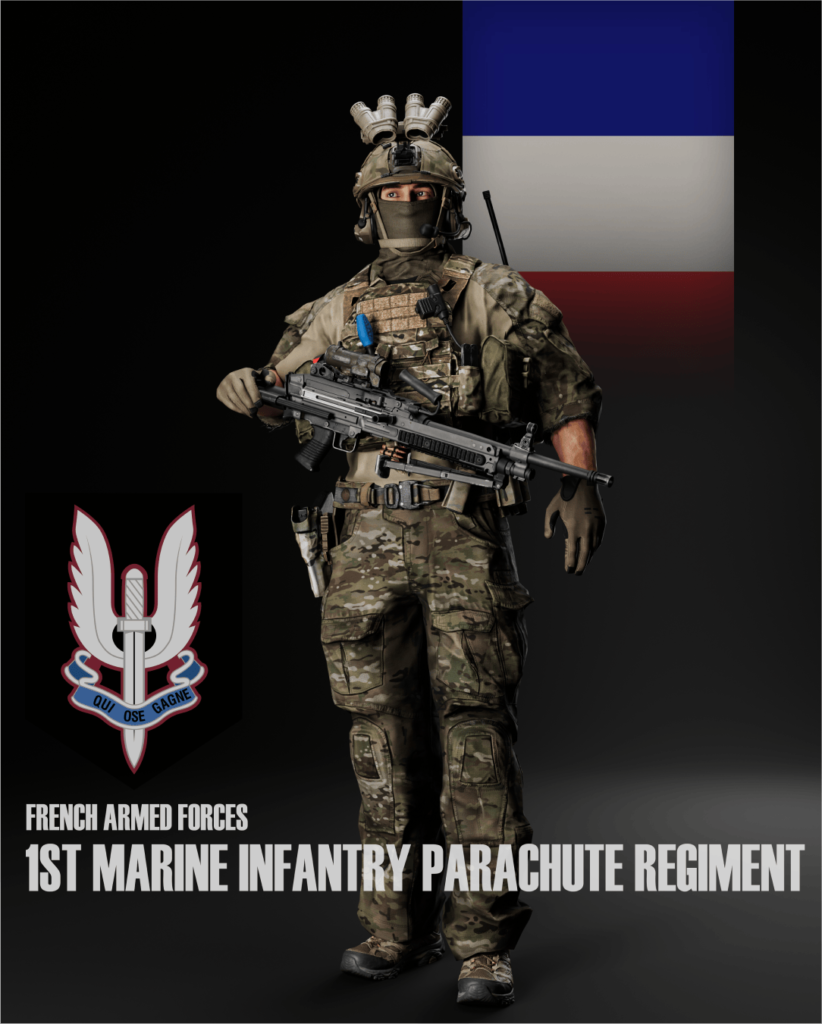
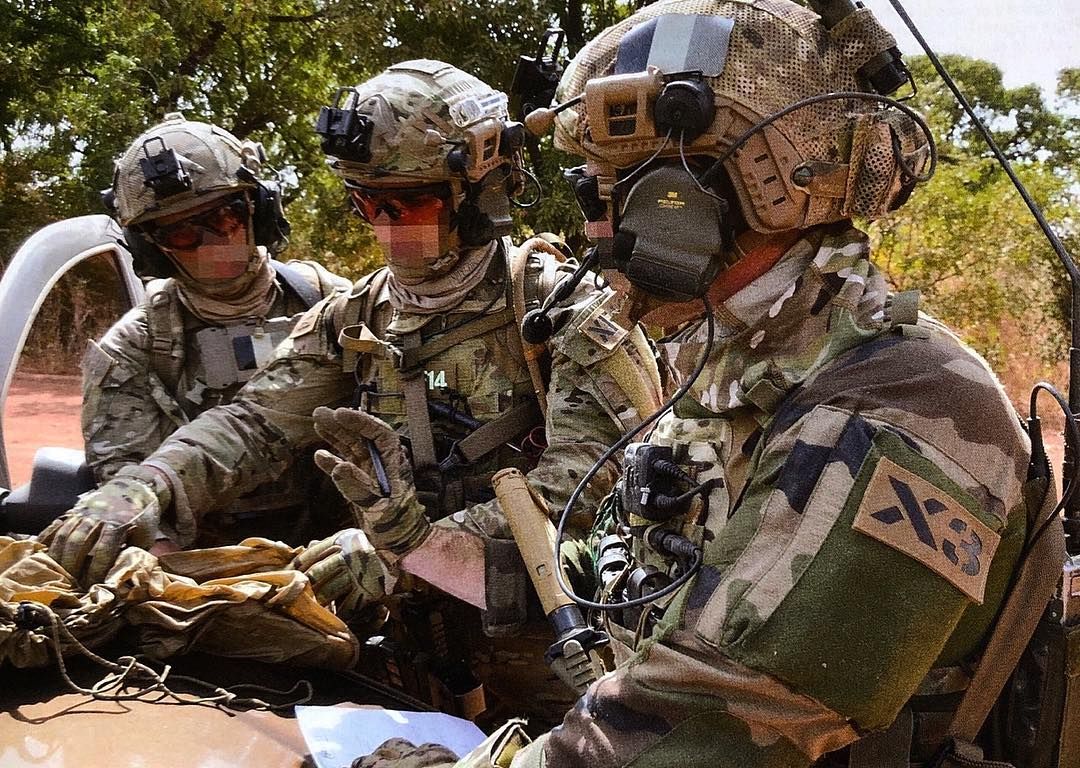
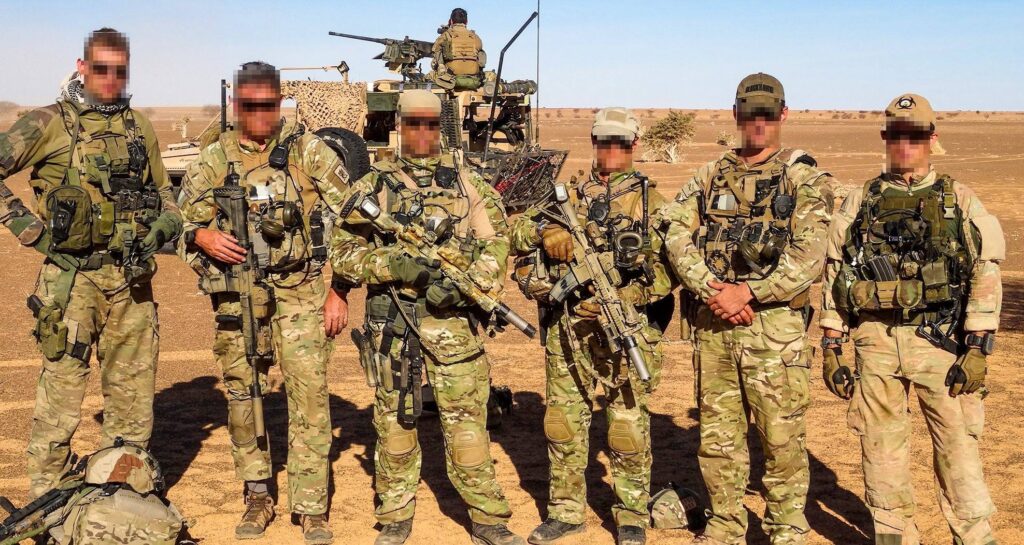
The 1st Marine Infantry Parachute Regiment (French: 1er Régiment de Parachutistes d’infanterie de Marine) is a tier-one French special forces unit.
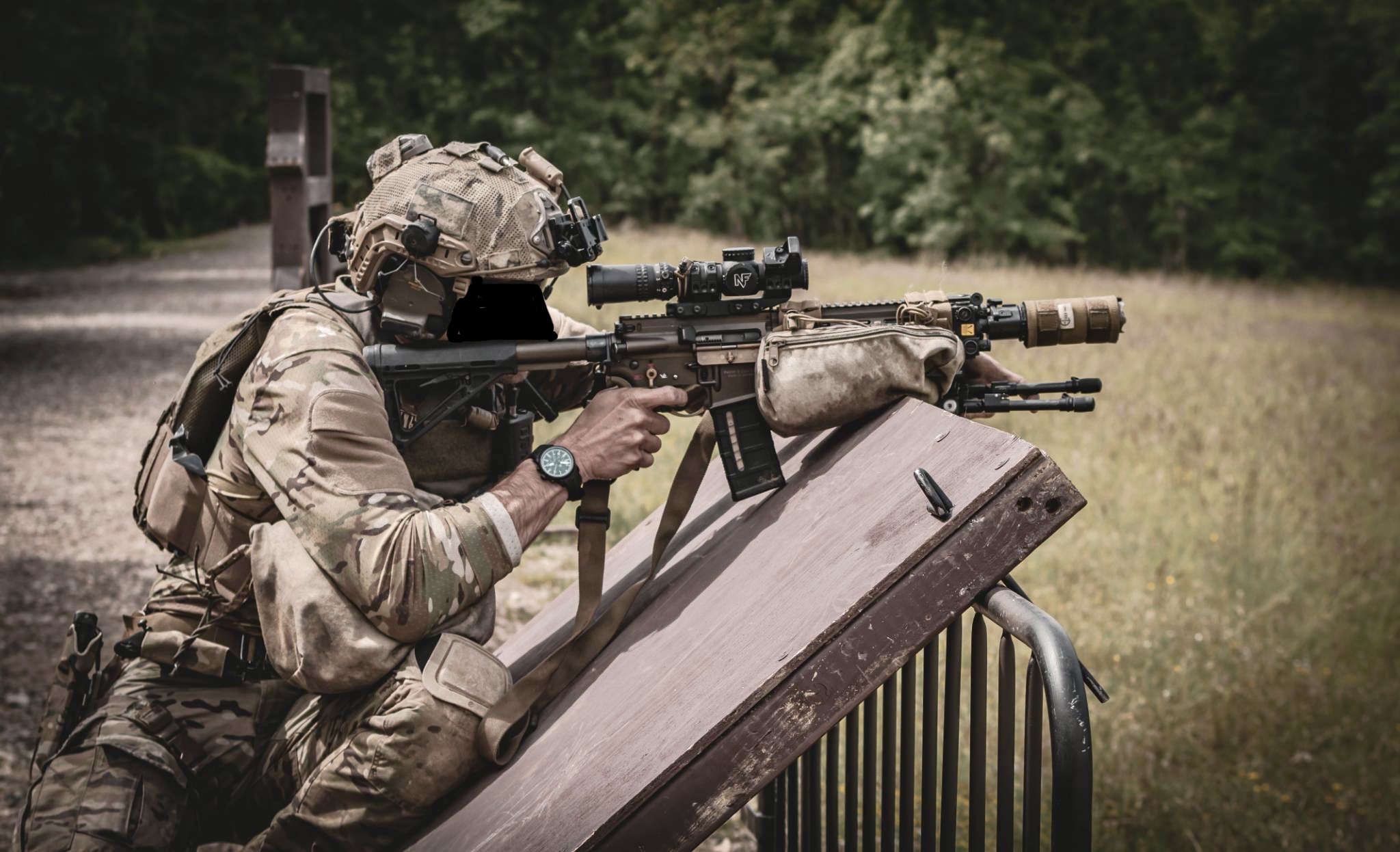
1er RPIMa specialises in long-range reconnaissance, counter-terrorism and hostage rescue. Based in Bayonne, the unit is garrisoned at a picturesque 17th-century star fortress on the French Atlantic coast, close to the Spanish border. 1erRPIMa traces its traditions back to two Free French paratrooper regiments that served with the British SAS during the Second World War. When the unit was established in 1960, it modelled itself closely on the SAS, even adopting the famous SAS motto: “Who Dares Wins”. Amongst the most elite special forces units in Europe, 1erRPIMa has been deployed nearly constantly since the end of the Cold War.
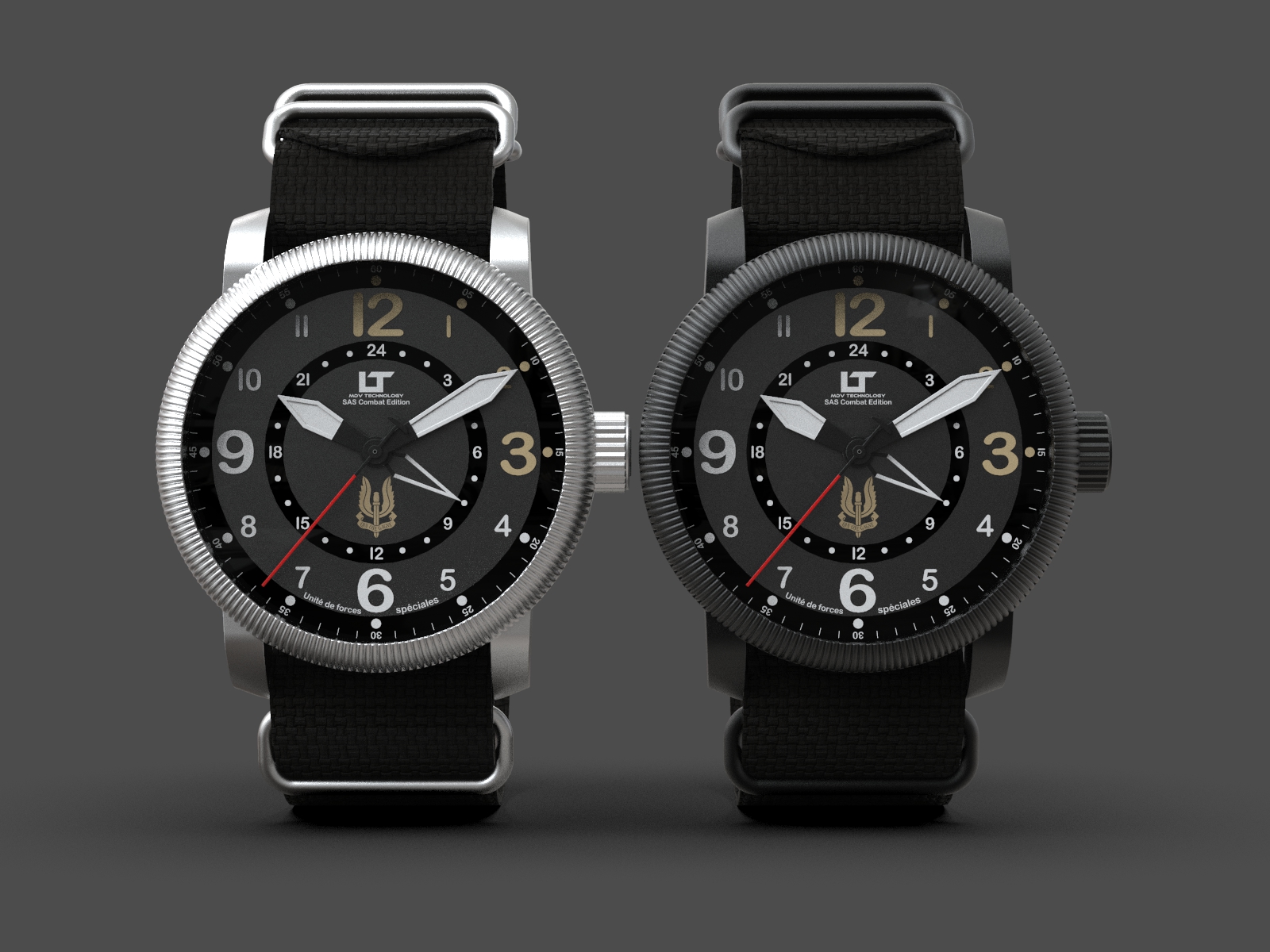
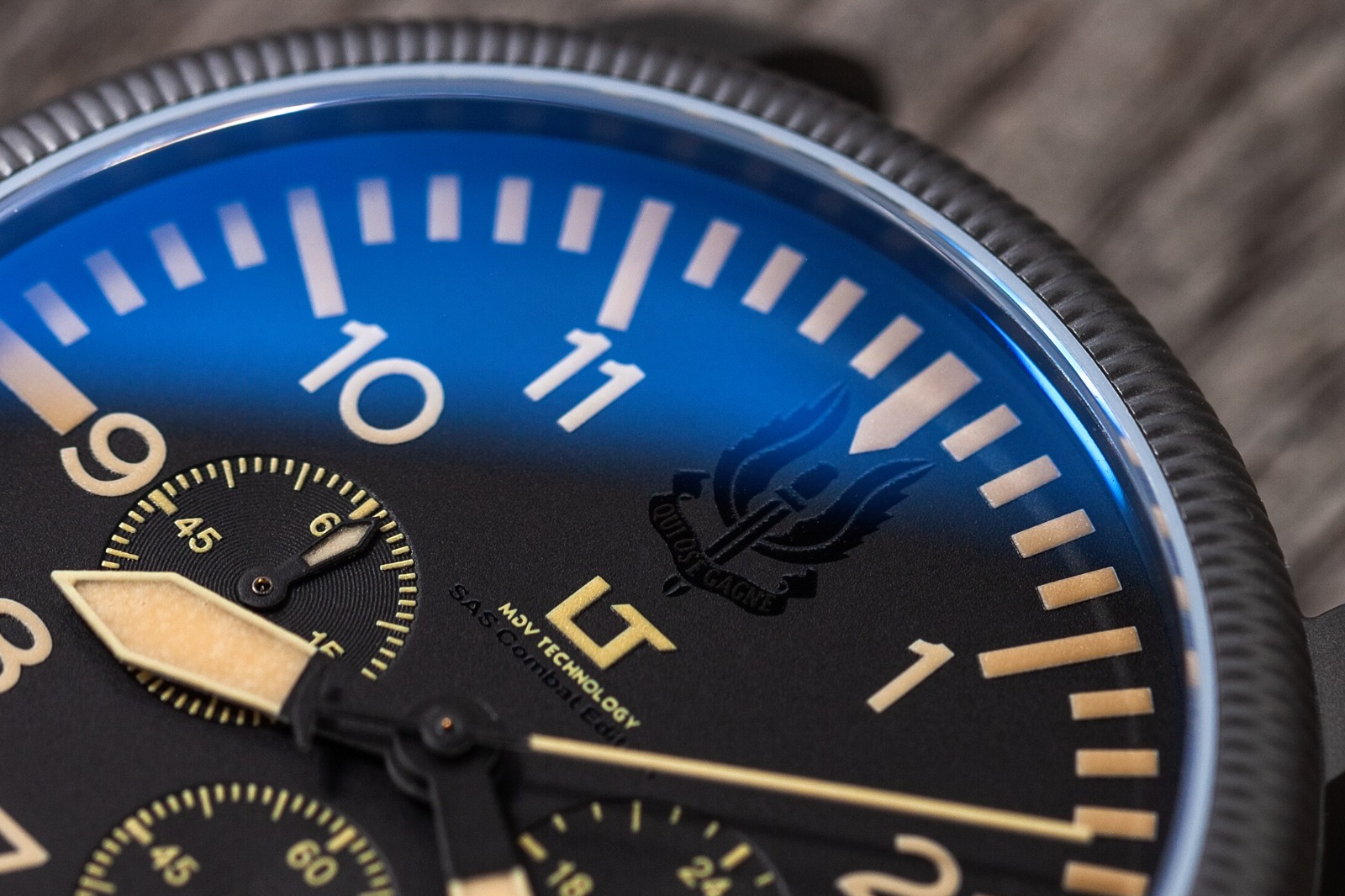
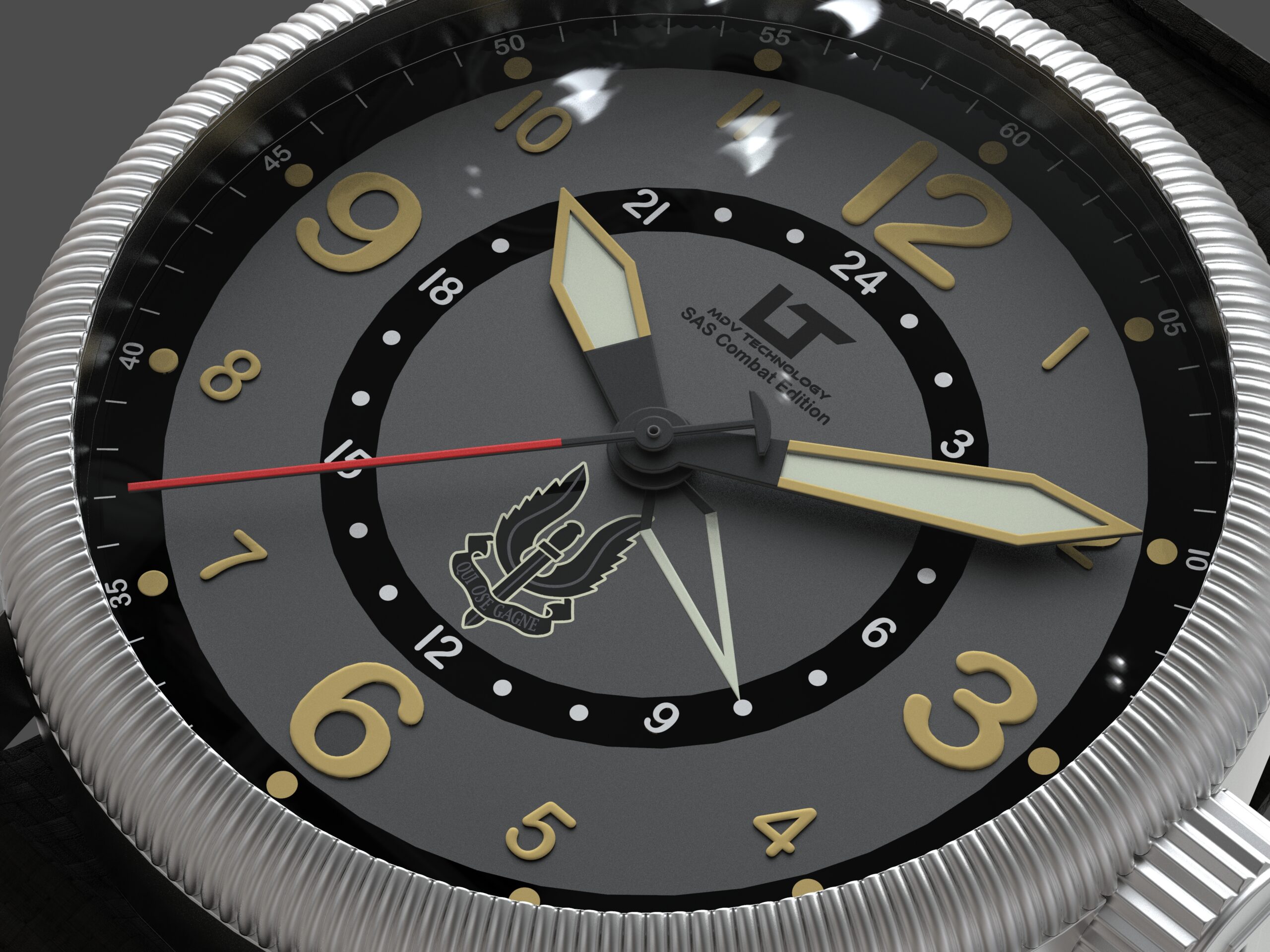
Heirs to the Free French paratroopers of the 3rd and 4th squadrons of the Special Air Service (SAS) founded in the United Kingdom during WWII, the 1er RPIMa is sometimes referred to as the "French SAS" and still uses the same motto as their British counterparts to this day: Qui ose gagne (French for "Who Dares Wins").
Despite its name, the 1er RPIMa is part of the French Army, like other Marine units. The naval infantry background dates back to 1762, when units of the French Army were detached to the French Navy for ship-borne and overseas duties.
It is the heir to the first Colonial Parachute Commando Demi-Brigade, whose origins date back to World War II. Under the command of Captain Georges Bergé, the 1st Air Company was created in England on September 15, 1940 with parachute units of the Special Air Service (SAS). The 1e CCP/SAS was created in 1941 in Scotland. From 1942 to 1944, this company was engaged in Crete, Libya, Tunisia, Brittany, Belgium, and the Netherlands.